Why Designers Say the Sea Gives Them Endless Material for Games
For game designers, the sea is much more than a vast body of water; it’s a boundless source of inspiration, mood, and mechanics that fuel creativity. Whether you’re scrolling through the online casino game catalogue browsing experience at MrQ or admiring the intricate marine collections at the Western Australian Museum, the ocean’s influence is undeniable. In this post, I’ll dive deep into why the sea has this magnetic pull for game makers, emphasizing four key themes: fishing as built-in suspense and story structure, recognizable silhouettes with vibrant marine palettes, the “big catch” as a natural bonus-feature metaphor, and how the sea’s mood controls player experience.
The Endless Variety of Settings
The sea isn’t just one monotonous blue stretch—it’s a rich canvas that brings a variety of settings that can sustain game themes over time. From serene bays perfect for calm leisure gameplay, to stormy decks ripe with tension and danger, the ocean offers designers expansive narrative space.
- Shallows and Reefs: Think tranquil coral reefs bursting with color, where players can spot neon fish silhouettes amidst waving anemones. These settings foster a relaxing, explorative mood.
- Open Ocean: Wide, open waters where the horizon meets storm clouds. This is a realm of suspense, testing player patience and strategy.
- The Pier or Harbor: Bustling docks provide a mood of human industriousness and social interplay, often serving as character interaction hubs.
- The Seabed and Wrecks: Mysterious, shadowy silhouettes and dangers lurking below, perfect for suspense and discovery elements in gameplay.
Browsing through the online game collections like MrQ’s catalogue, it's easy to see how developers transpose these moods and settings into game levels and themes that never feel repetitive because the sea itself is infinitely varied.
Fishing: Built-In Suspense and Story Structure
If you ask any seasoned fisherman, fishing is a blend of patience, skill, and anticipation—the very things that make great game mechanics. Designers love using fishing as a metaphor for built-in suspense and story structure.
- Waiting and Anticipation: The lure cast, the bobber floating quietly. This quiet can stretch moments to build tension. It’s the calm before the storm, or the quiet before a big in-game event.
- Sudden Action: When the fish bites, the shift from inactive to active gameplay creates a spike in engagement and adrenaline, a natural climax.
- Reward and Resolution: Landing the catch resolves the built suspense, offering satisfaction and progression.
Online casinos hosted on MrQ utilize this intuitive arc often in their fishing-themed slots and mini-games, reinforcing how fishing’s narrative structure naturally aligns with game design pacing.
Recognizable Silhouettes & Bright Marine Color Palettes
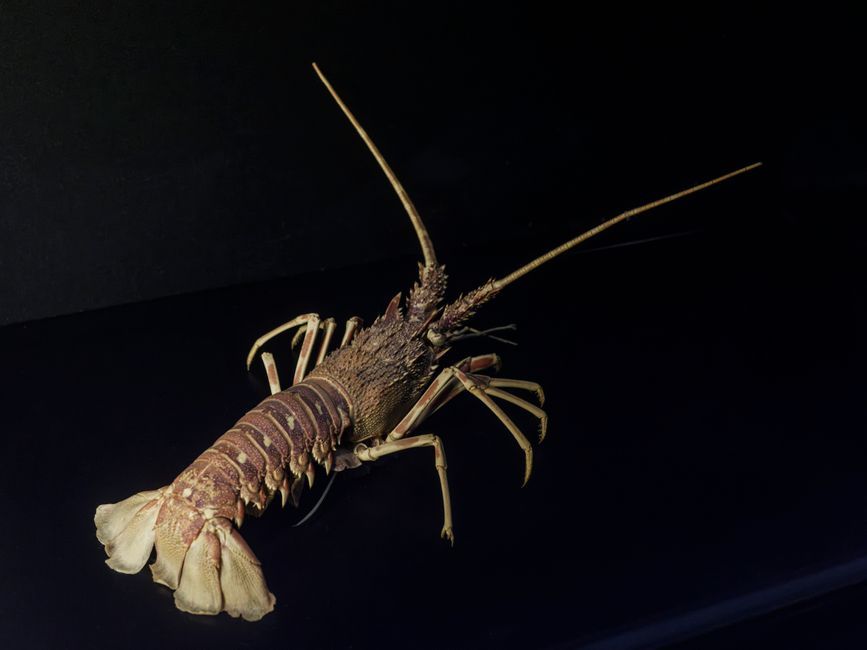
One thing you can’t overlook in marine design is the power of recognizable shapes and vibrant colors. The human brain is wired to quickly identify familiar silhouettes—crab claws, starfish arms, lobster antennas—so designers often lean into these distinct shapes for instant character and icon recognition.
For example:
- Crabs: Their angular claws and squat bodies create playful or feisty characters.
- Seahorses: The delicate curves add an elegant or mysterious vibe, versatile in tone from whimsy to intrigue.
- Octopus: The tentacles can introduce movement dynamics, hinting at complexity and intelligence.
Marine color palettes—from iridescent blues to fiery coral reds—allow designers to create visually striking games that appeal immediately and maintain player interest. The Western Australian Museum’s exhibit and gallery pages beautifully showcase the dazzling hues of marine life, inspiring designers who want to capture real-world vibrancy in their digital worlds.
The “Big Catch” as a Natural Bonus-Feature Metaphor
When it comes to game mechanics, one of the most engaging moments is the “big catch” — a significant win or achievement that players anticipate. This metaphor — drawn straight from the sea — shows how familiar fishing experiences translate seamlessly into gaming.
The “big catch” functions naturally as a bonus feature:
- High stakes: The player invests time and effort before the catch, leading to higher payoff tension.
- Visual spectacle: Big fish or rare treasures are often accompanied by flashy animations or sound cues, amplifying the moment’s impact.
- Mood shift: This event usually switches the game’s mood from steady anticipation to triumphant celebration.
On platforms like MrQ, these “big catch” mechanics keep players invested, marrying the thematic narrative of patience and reward with tangible in-game gratification.

Mood Control: Calm Leisure vs Danger vs Hard Work at Sea
A unique advantage the sea offers game designers is control over the game’s mood through its inherent contrasts. The ocean is a mood chameleon, capable of evoking serene tranquility or harsh danger in one setting shift.
Mood Description Game Examples Calm Leisure Sunlit afternoons, smooth waters, gentle waves. Encourages exploration, collection, or relaxed gameplay. Relaxed fishing simulators, collect-a-thons featuring reef marine life. Danger Stormy weather, dark waters, lurking predators. Builds suspense, urgency, survival challenges. Sea monster encounters, pirate raids in adventure games. Hard Work Rough seas, strained sails, teamwork and grit spotlighted. Emphasizes challenge and player skill. Fishing reel mini-games, crew management segments.This versatile emotional range lends the sea theme incredible longevity—as the setting and mood can evolve as game narratives deepen without feeling repetitive or stale.
Character Possibilities Drawn from the Sea
Beyond setting and mood, the sea offers rich character possibilities. It’s not just fish and crustaceans but fishermen, pirates, mermaids, sailors, marine biologists, and mythical creatures like krakens and sea dragons. This diversity broadens the thematic scope and opens space for unique stories.
Studying the Western Australian Museum’s galleries full of Indigenous ocean lore and marine biodiversity can spark ideas for culturally rich and scientifically accurate characters. Meanwhile, browsing MrQ’s casino games shows how popular figures from maritime folklore keep resurfacing, highlighting their appeal and enduring relevance.
Theme Longevity: Why the Sea Never Grows Old
So why does the sea theme have such longevity in game design? It boils down to its versatility, depth, and timeless human fascination with the ocean’s mysteries.
- There is always a new angle—from deep-sea exploration to beach relaxation.
- Marine life evolves, inspiring fresh silhouettes and storylines.
- Human relationships with the sea—for sustenance, adventure, or legend—are endlessly rich.
Designers who tap into these layers find a wealth of material that never feels overplayed, as proven by the continually diverse offerings in platforms like MrQ and celebrated collections at institutions like the Western Australian Museum.
Final Thoughts: The Ocean's Unending Muse for Designers
As someone who’s grown up around vast coastlines—from Jamaica’s sun-warmed beaches to Nigeria’s lively river ports—the sea’s mood is a language I read fluently. Its lessons in patience, danger, beauty, and surprise resonate deeply in gaming. Designers agree because lucky larry lobstermania slingo the ocean offers an extraordinary palette of settings, characters, moods, and story structures that challenge them creatively and delight players endlessly.
So next time you browse a game catalogue on MrQ https://reliabless.com/how-does-commercial-crab-fishing-change-a-games-atmosphere/ or explore oceanic collections at the Western Australian Museum, you’re witnessing just how deeply the sea inspires game worlds. And this, my friends, is why designers say the sea gives them endless material for games.