Treasure Chest Feature in Slots: What Is It Usually Telling Me?
Anyone who’s spent time spinning online slots has encountered the iconic treasure chest feature. From the moment you see a golden chest nestled amid the reels, it sets a specific tone—hinting at hidden rewards, locked potential, and progression opportunities. But beyond being a mere thematic decoration, the treasure chest often serves as a well-crafted signal within the game’s design, using visual and mechanical language to guide player expectations.
In this post, we'll unpack what the treasure chest feature usually tells you, exploring design fundamentals and player psychology. We’ll naturally touch on how studios like Mr Q, veterans at balancing feature-rich gameplay, or the innovative minds at Game Developer and DotGG approach these elements. We also lean on the classic Mechanics, Dynamics, and Aesthetics (MDA) framework to frame our insights from a design-first perspective.
Theme as the First Impression and Expectation Setter
Before any reels spin, the thematic context sets player expectations about pacing, complexity, and reward style. A treasure chest evokes certain connotations—mystery, value, protection, and unlocking something valuable. This thematic signpost is crucial because it helps players mentally prepare for a “collection or progression” type of feature rather than immediate, one-off wins.
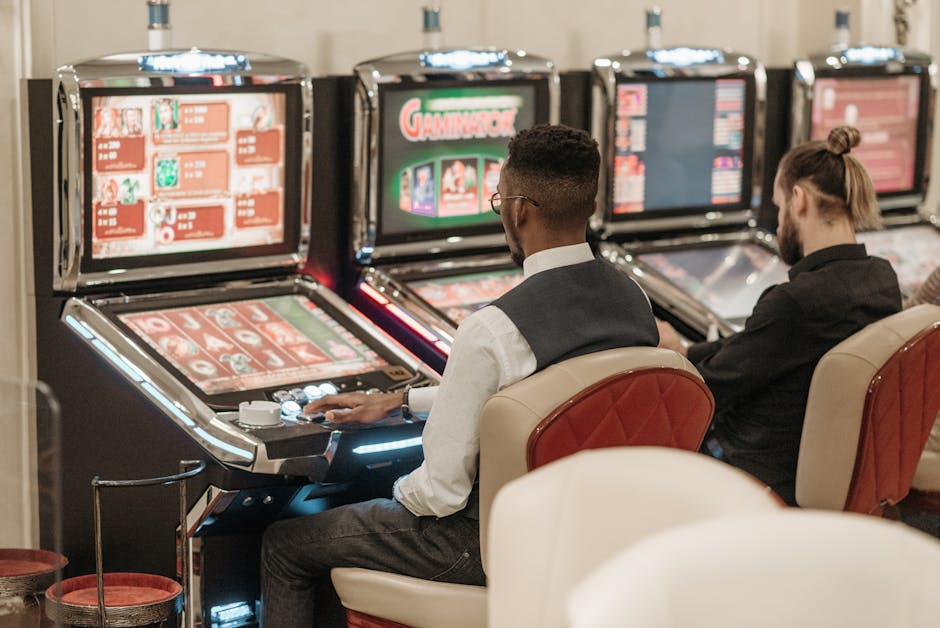
For instance, Mr Q’s portfolio (mrq.com) often showcases games where the treasure chest is more than a visual prop; it’s a thematic anchor. The chest might appear locked at first, signaling a state of anticipation and progression. Players intuitively understand that unlocking it could trigger a bonus or a reward cascade. In contrast, a rocket or comet symbol signals speed and immediate impact rather than accumulation or waiting.
Why Theme Matters
- Sets player expectations: The treasure chest suggests collection/progression style rewards.
- Guides emotional engagement: The “locked state cue” invites curiosity and impatience.
- Frames the gameplay loop: Players know to anticipate unlocking sequences or bonuses.
Pace Signals Through Color, Typography, and Animation
Design is not just about what’s shown, but how it’s presented. The treasure chest feature relies heavily on pace cues communicated through UI choices. Color palettes, typography, and animations work together to indicate how fast or slow the feature will “feel” and when players should pay attention.
For example, some games from DotGG use a deep gold sheen on the chest combined with circling particles and slow glowing pulses website to signal a locked but “ready to unlock” state. The typography accompanying meter values or chest labels tends to be bold and well-spaced, prioritizing clarity—players shouldn’t need to decipher complicated instructions. In this way, the UI respects player cognitive load.
Mr Q’s designers have been known to subtly vary chest animations by stage of progression. A “locked” chest may have a faint shimmer, but an “unlocked” state will flash more vibrantly, often using rhythmic pulses timed with the soundtrack without overwhelming the player with constant flashing. And importantly, the typography around chest bonuses or multiplier values is NEVER a jumble of fonts or sizes; uniformity preserves reading speed and comprehension.
Too Many Flashes? Watch For These Signs
- Rapid flashing on multiple UI elements simultaneously
- Competing animations on both the chest and the reels
- Audio cues that repeat fanfares for minor progress
Good pacing design reduces these overload issues. It ensures that the treasure chest as a feature remains the focal point during critical moments without causing cognitive fatigue.
Same Mechanics, Different Worlds: Paylines, Clusters, Megaways
While the chest’s symbolic role is consistent, its mechanical context varies significantly across slot types—paylines, cluster pays, or Megaways. Yet the treasure chest feature usually ties to progression or collection mechanics regardless of the reel setup.
Slot Type Typical Chest Role Example Studios Fixed Payline Slots Chest as locked reward box; unlocking triggers free spins or multiplier bonuses Mr Q’s classic slots Cluster Pays Chest collects tokens or symbols; opening chest awards extra wilds or cascading respins DotGG’s experimental titles Megaways Chest fills via random drops, unlocking large jackpots or expanding reels Game Developer’s high-volatility releasesDespite differing visual reelscapes and pay structures, the treasure chest remains intuitively understood as a locked-but-trending-to-be-opened container. Designers rely on this shared symbolic language to keep features accessible despite underlying complexity.
Thematic Logic That Explains Features: Chests, Rockets, and Collection
When we encounter a chest, or for that matter a rocket or any iconic object, good game design ensures these elements make thematic sense within the narrative or environment. This is where the MDA framework excels—by defining the Mechanics (rules and systems), Dynamics (player interaction patterns), and Aesthetics (emotional responses).
Take the treasure chest’s locked state cue. The mechanical rule is often: “Collect X number of keys to unlock.” The dynamic is the player actively hunting or triggering those keys, while the aesthetic is the building anticipation and eventual gratification upon unlocking.
One client recently told me learned this lesson the hard way.. Consider Game Developer’s slots that include rocket symbols in sci-fi settings. The rocket’s mechanics often revolve around “launching” features that accelerate wins or trigger respins. The thematic logic is crisp: rockets fly fast (pacing), while chests unlock slowly (progression). This clear semantic difference helps player comprehension.
Why Collection and Progression Matter
Treasure chests usually tell you this:
- There are pieces—tokens, keys, or symbols—to gather over spins.
- There’s a “locked” holding pattern, indicated by subtle animation and color shifts.
- As you collect, anticipation builds, often visually and audibly.
- The payoff comes when unlocking, often triggering feature rounds with elevated rewards.
This progression journey creates emotional investment, rewarding patience and repeated engagement rather than pushing for instant gratification. It also provides designers with a pacing lever: elongate the anticipation, or shorten it depending on volatility goals.
Putting It All Together: What Treasure Chest Features Tell You
- Be patient: The chest’s locked state cue means you’re “in progress” toward a bigger payoff, rather than receiving immediate rewards.
- Watch pacing cues: Color shifts from muted gold to vibrant shine and restrained animation tell you when unlocking is likely happening soon.
- Expect thematic synergy: Collection or progression mechanics make logical sense in the game’s universe, whether pirate treasure, ancient vaults, or futuristic lockers.
- Keep an eye on design clarity: Effective typography and UI spacing minimize confusion about how close you are to unlocking—a hallmark of the best games from developers like Mr Q and DotGG.
Final Thoughts
The treasure chest in slots is much more than eye candy. It serves as a multimodal signal — visual, mechanical, mute-friendly game design and emotional — that guides players through a collection and progression narrative. When built thoughtfully, this feature enhances player engagement by providing a clear locked state cue, pacing via color and animation, and thematic clarity that connects mechanics with aesthetics.. Exactly.
Next time you spot a gleaming chest on your reels, remember: it’s telling you a story before the first spin. Whether it’s a slow-burning jackpot buildup on a Megaways game by Game Developer, a classic locked chest bonus at Mr Q, or a sleek cluster-based collection in DotGG’s portfolio, the treasure chest promises anticipation and a satisfying payoff well worth the wait.