Portrait Mode vs Landscape Mode for Slot Games: Which Is Better?
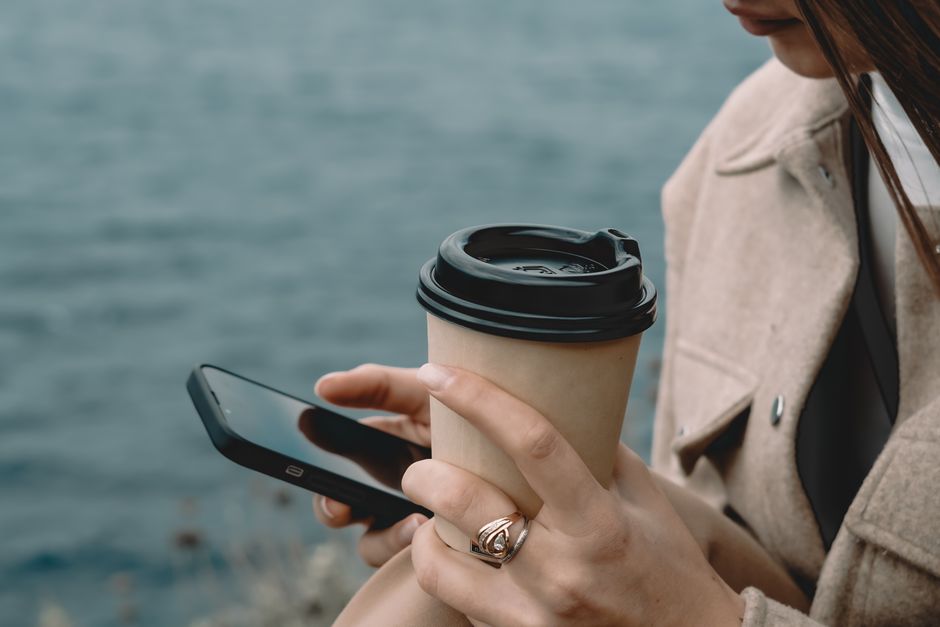
In today’s fast-paced world, smartphone users carve out micro-entertainment windows during moments as brief as coffee breaks. Slot games have become a natural fit for these short sessions, especially as players favor smartphone-driven short-session habits. Whether you’re spinning reels on the go at Mr Q Casino or browsing browser-based lobbies, the choice between portrait orientation and landscape mode plays a crucial role in your gaming experience.
Understanding the Gaming Context: Coffee Breaks as Micro-Entertainment
Thanks to advances in modern mobile browsers and powerful phones and tablets, slot games have evolved into bite-sized entertainment formats. The typical session does not require deep concentration or extended time, often lasting just a few minutes — perfect for coffee break intervals identified by the UK Health and Safety Executive (HSE) as natural micro-work pauses. This shift positions slots as:
- Self-contained rounds requiring minimal memory load
- Highly accessible with no lengthy installs via browser-based access
- Designed for quick taps and immediate feedback
Given these contexts, how you hold your device—portrait or landscape—becomes more than just a preference. It directly affects convenience, eye comfort, and friction in gameplay.
Portrait Orientation: Play Slots One-Handed, Anytime
Portrait mode is typically how most people naturally hold their phone. The vertical layout is synonymous with activities like browsing feeds, texting, or reading — all common during brief breaks. Integrating slot games into this existing behavior has several benefits:
Advantages of Portrait Mode Slots
- One-handed play: Players can comfortably spin slots with just their thumb, perfectly suiting situations where the other hand might be occupied with coffee or other tasks.
- Ease of use on smaller screens: Phones generally favor portrait display, offering well-balanced UI spacing without overwhelming the player with complicated layouts.
- Faster loading and immediate access: Portrait-oriented slots often optimize vertical scroll interfaces, reducing friction when launching from mobile browsers, without the need for app installs.
- Suitable for browser-based games: Modern mobile browsers support responsive slots that adjust seamlessly to portrait widths, meaning no awkward zooming or panning is needed.
Potential Drawbacks
- Some visual elements, such as slot reels and paylines, can feel vertically squished, potentially reducing clarity.
- Less immersive for players used to big, dynamic visuals.
- Too much vertical scrolling in menus can disrupt the quick-play flow.
Landscape Mode: Immersion and Expanded Views
Landscape orientation, where your phone or tablet is turned sideways, is familiar as the default view for many games and videos. Slot games that prioritize immersive visual design sometimes push users into this mode by force, but is it better?
Advantages of Landscape Mode Slots
- Wider reels and larger visuals: More horizontal real estate means slots can display complex payline structures and animated backgrounds in greater detail.
- Tablet-friendly: Tablets naturally offer larger screens better suited for landscape orientation, enhancing comfort for longer sessions.
- Enhanced immersion: Landscape mode can contribute to a feeling of being “inside” the game, increasing enjoyment for players fond of vivid graphical experiences.
Potential Downsides
- Rotate phone friction: Players must physically turn their device, potentially interrupting quick, casual plays during short breaks.
- One-handed play becomes awkward: Holding and operating a phone sideways typically requires two hands, conflicting with the notion of micro-sessions.
- Forced landscape mode can frustrate users: Some slot games require landscape and disable portrait, undermining responsive design best practices.
- Not optimized for modern mobile browsers: Browser-based slots can load slower or appear with black bars or stretched elements in landscape on some devices.
Responsive Slots: Striking the Right Balance
With advances in web design, many slot games now leverage responsive design techniques to adapt dynamically based on device orientation and screen size. Such slots avoid forcing landscape or portrait modes, instead delivering a smooth experience whichever way you hold megaways slots vs cluster pays your device.
For example, Mr Q Casino’s browser-based slot platform showcases responsive slots that:
- Render intuitive controls easily accessible in portrait or landscape
- Adjust reel sizes and menus to avoid clutter
- Minimize load steps to get players spinning quickly, respecting limited break-time windows
This approach caters well to the micro-entertainment model, reducing friction and supporting players who switch orientations mid-session.
Browser-Based Access Versus App Installs
Another layer of complexity to slot game orientation preference stems from the access method. While apps often lock orientation or provide multiple modes, browser-based slots accessed through modern mobile browsers excel in flexibility.
Aspect Browser-Based Slots App-Based Slots Orientation Flexibility High — supports portrait and landscape responsively Varies — some apps force orientation Installation No install needed — instant access Requires download and updates Load Speed Faster startup for short sessions Potentially longer launch times Device Storage Use Minimal to none Consumes storage User Convenience Ideal for spontaneous, brief plays Better for dedicated sessionsGiven the coffee break time constraints recommended by the HSE paytable in slots for health and safety, browser-based slots accessible in portrait orientation may offer an optimal combination of speed, comfort, and low friction.
UX Considerations: Avoiding Common Frictions
When analyzing slot games, some UI/UX quirks often emerge that impact player satisfaction, especially on mobile devices:
- Forced Landscape Mode: Apps or websites that lock landscape orientation ignore ergonomic needs during quick play sessions, increasing frustration.
- Excess Tap and Load Steps: Multiple presses and screen loads lengthen session startup, detracting from micro-entertainment goals.
- Lack of Responsible Gambling Tools: Any design overly focused on immersion without easy access to responsible play controls risks user well-being.
Designers and operators, including those at Mr Q Casino, are increasingly aware that efficient, readable interfaces in portrait mode support safer and more engaging gameplay.
One Non-Screen Alternative: Stretching During Your Break
Since quick slot sessions often occur while seated, the UK Health and Safety Executive recommends taking microbreaks that include simple physical stretches to reduce eye strain and sedentary risk.
Next time you take a coffee break slot spin, consider a quick stretch instead of just tapping the screen nonstop. Step away for 30 seconds, stretch your arms or neck — it refreshes your focus for better play and healthier habits.
Conclusion: Portrait or Landscape — Which Mode Wins for Slots?
The answer depends largely on context, device, and personal preference. However, for modern mobile-first slots designed around short, spontaneous sessions, portrait mode typically offers lower friction, greater convenience, and better compatibility with browser-based access.
Landscape mode can deliver richer visuals and deeper immersion, but it comes with the cost of forcing device rotation and usually two-handed hold, which can interrupt the flow in tight, coffee break time windows.
Operators like Mr Q Casino striving for player-centric design increasingly champion responsive slots that support both modes gracefully but favor portrait for quick access.
By marrying smart UX design with the realities of smartphone use and HSE health guidelines, slot games can truly integrate into modern micro-entertainment habits without unnecessary friction—giving players more fun, less hassle, and responsible tools within reach.
Image credit: Unsplash